Walking the Ridge Before Light
It is not a difficult walk and it is not a long one. What it is, is early.
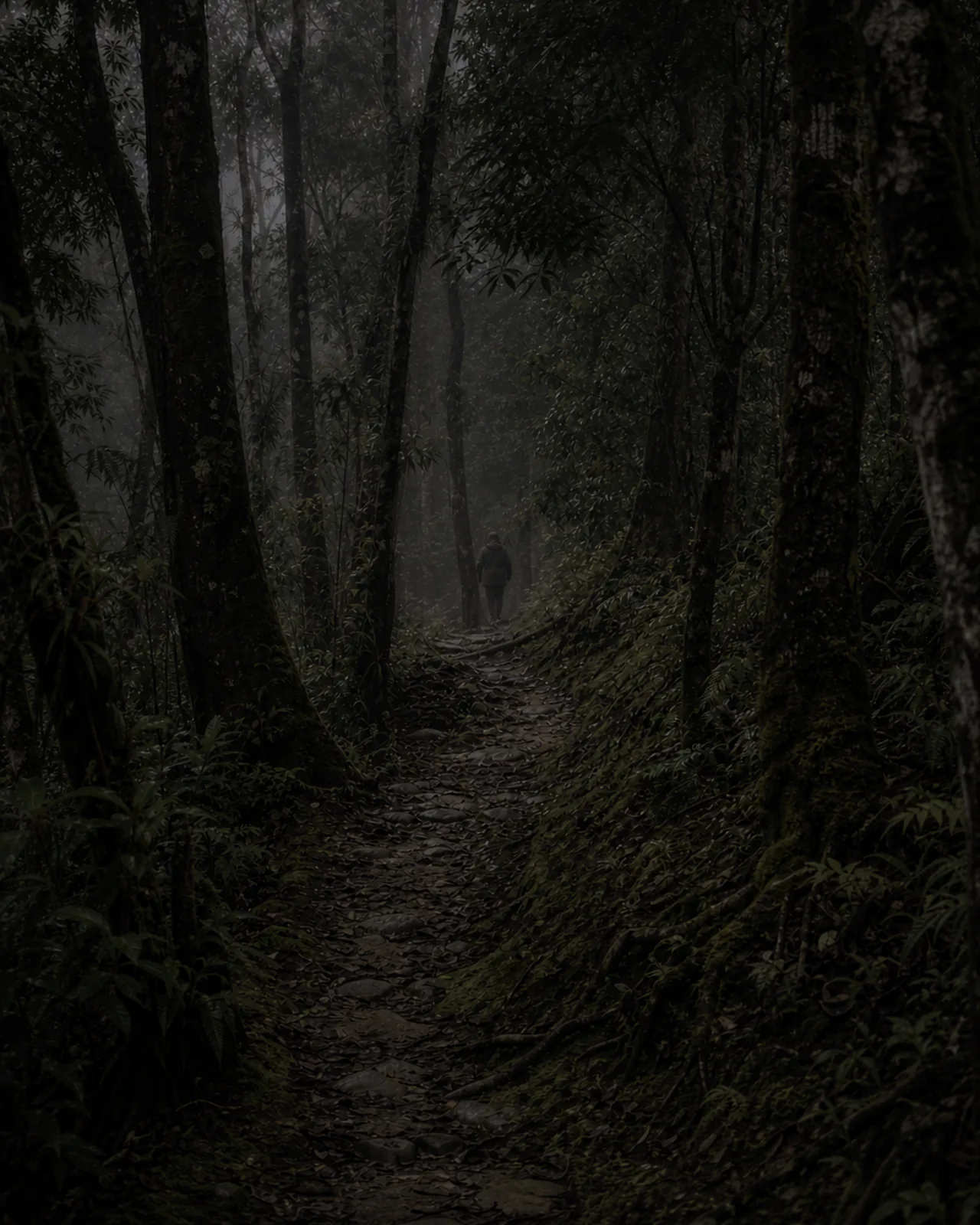
It is not a difficult walk and it is not a long one — around three kilometres, with perhaps a hundred and forty metres of climb. What it is, is early. The whole point of the ridge route is to be standing on the open section of it about forty minutes before the sun clears the far range.
That means leaving the courtyard at an hour most people would describe as the middle of the night. There is no way to soften this and no shorter version that works. The compensation is that you are back before breakfast is cleared, and that the rest of the day feels considerably longer than it is.
What happens in those forty minutes
The valley fills with cloud overnight and then empties. From below you experience this as fog lifting. From the ridge you watch it drain out of the side valleys in sequence, one after another, as though someone were pulling a plug in each.
It takes about half an hour and then it is simply over. The order is consistent — the eastern side valley first, then the long one below the village, then the two shallow ones under the far shoulder — and once you know the order you spend the whole time waiting for the third, which is the one that goes fastest.
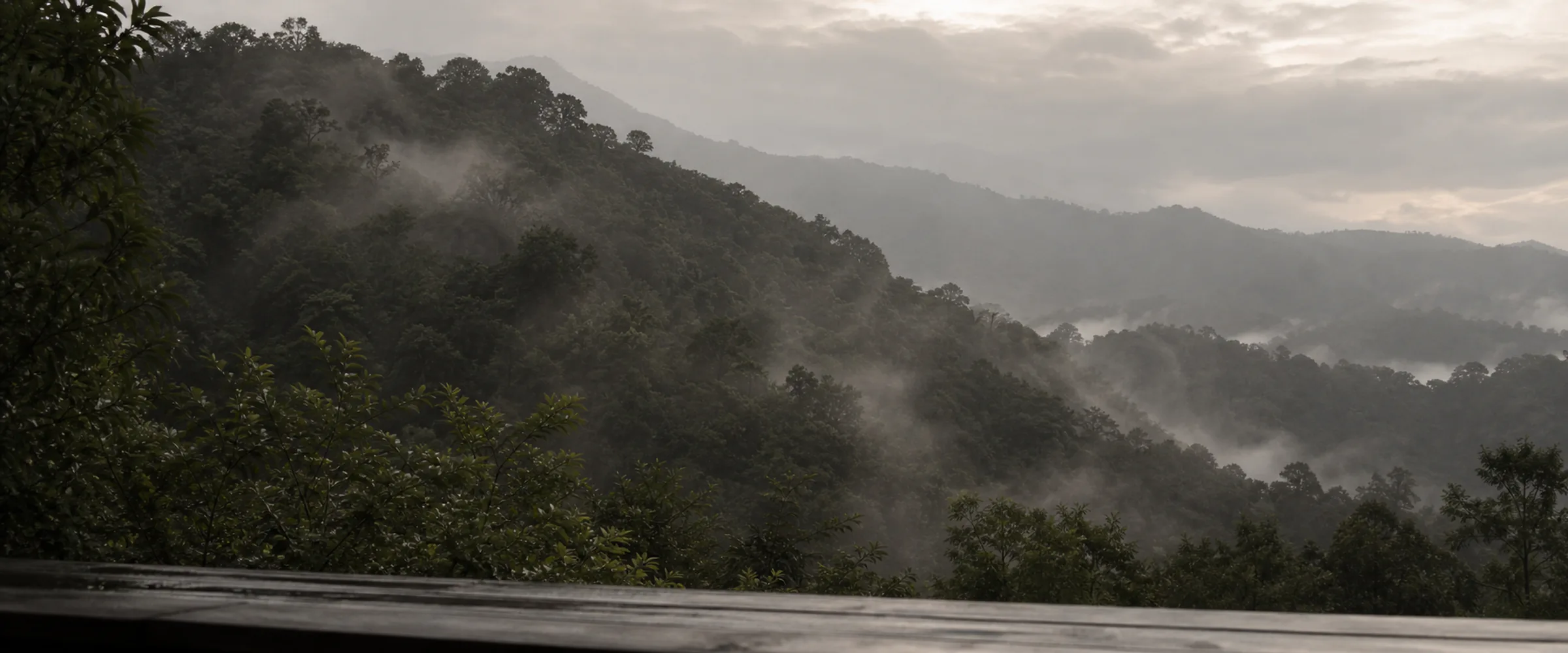
From below you experience this as fog lifting. From the ridge you watch it drain out of the side valleys in sequence.
The path itself
The first eight hundred metres are the only genuinely steep part and they are all in forest, which in the dark means a torch rather than moonlight. After that the gradient eases and the trees thin, and there is a flat section near the top that was terraced and farmed within living memory — you can still read the lines of it if the grass is short.
The open section is perhaps three hundred metres long. There is one obvious place to stand, marked by nothing at all, and everybody finds it independently.
Practical notes
- Leave about eighty minutes before sunrise. Someone will have made tea.
- The first eight hundred metres are steep and unlit; a torch is genuinely necessary.
- The path is slippery for two days after heavy rain and unpleasant rather than dangerous.
- Long sleeves. It is colder on the ridge than the courtyard suggests, every time.
- It is roughly two hours door to door, including standing still.
- There is no phone signal for the middle forty minutes, which is worth knowing rather than worrying about.
Going alone
Guests are welcome to walk it unaccompanied and many do after the first time. The route is obvious in daylight and marked well enough in the dark. Nobody has got lost; two people have turned back, both in the wet season, both sensibly.
The guided version exists mostly because the person who leads it has walked this ridge for thirty years and will tell you which side valley empties first, and why, and what used to be farmed on the flat section near the top, and which of the two shoulders opposite has a name and which does not.
Either way, you will be back before breakfast is cleared. The house is quiet at that hour and stays quiet, and there is usually nobody else at the table.